Algarve Oysters: Discovering the Finest Oyster Farms of Southern Portugal
For seafood connoisseurs and luxury restaurateurs alike, the coastal waters of Southern Portugal hide a world-class treasure: Algarve oysters. Known for their exceptional plumpness, deep cups, and a unique flavor profile that balances intense Atlantic salinity with a surprisingly sweet finish, these premium bivalves have earned a permanent spot on the menus of Michelin-starred restaurants across Europe.
But what makes oysters from the Algarve so special? The secret lies in the region’s unique geography, where shifting oceanic tides meet nutrient-rich coastal lagoons.
In this comprehensive guide, we will take a deep dive into the world of elite oyster cultivation in Southern Portugal, exploring the pristine ecosystems and the most famous oyster farms that have put Algarve oysters on the global culinary map.
Why the Algarve Produces Class-A Oysters
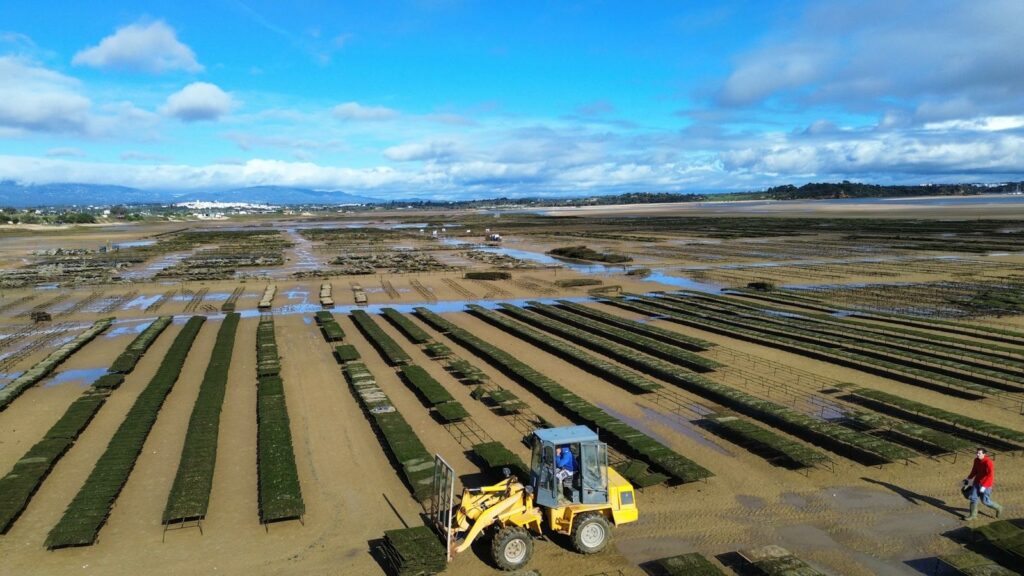
Oyster farming is a delicate dance between nature and artisan craftsmanship. In the Algarve, two distinct micro-regions provide the absolute perfect conditions for bivalve aquaculture: Ria Formosa and Ria de Alvor.
[Atlantic Open Ocean Tides] ──> High Oxygen & Salinity
                                       │
                                       ▼
    [Protected Shallow Lagoons] ──> Abundant Phytoplankton ──> "Happy", Sweet, Plump Oysters
Unlike cold-water northern regions where oysters go into a state of winter dormancy, the Algarve enjoys mild year-round water temperatures. This allows the oysters to feed consistently and grow uniformly through every season. Furthermore, the intense twice-daily Atlantic tide renewal floods the lagoons with clean, highly oxygenated water and rich phytoplankton, resulting in rapid growth and a naturally clean, sweet flesh that often achieves “Class-A” purity status—meaning they require minimal to no depuration before serving.
Premier Oyster Farms of the Algarve: A Detailed Look
To truly understand the quality behind the label, let us explore the most popular and celebrated oyster cultivation hubs and specific farm locations in the region.
1. Ilha da Culatra & The Hangars (Ria Formosa Natural Park)
Ria Formosa is a sprawling, 18,000-hectare protected wetland system and one of the “7 Natural Wonders of Portugal.” At its heart lies Ilha da Culatra, a traditional, car-free fishermen’s island that has become synonymous with elite oyster farming.
- The Terroir: The oyster beds here are located in the channels near “The Hangars” (Os Hangars). They are completely exposed during low tide and deeply submerged during high tide.
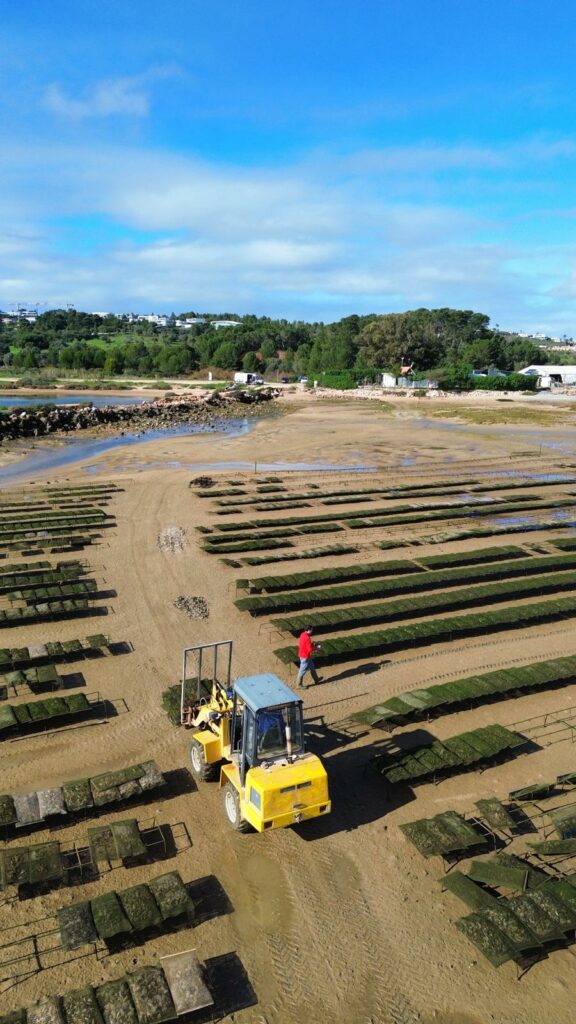
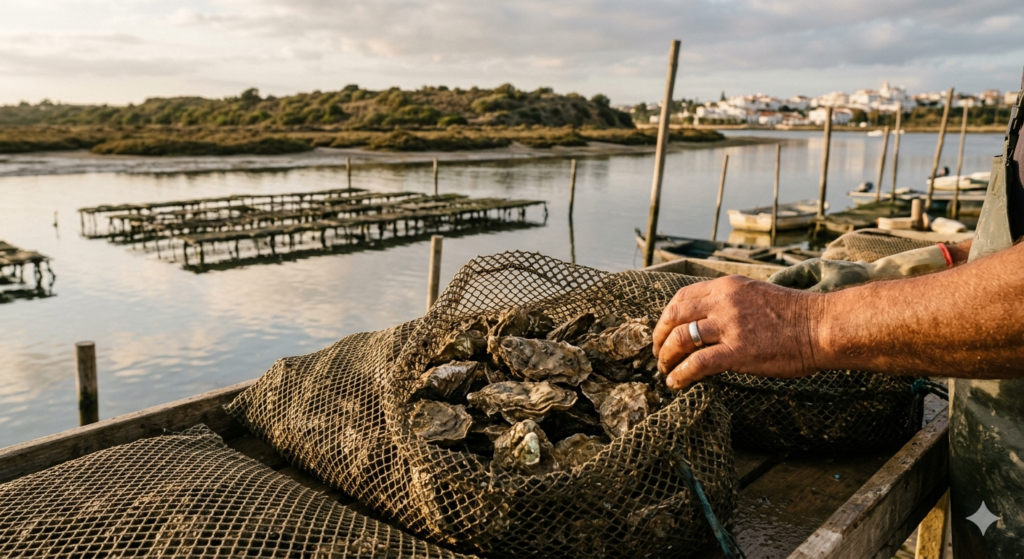
- Cultivation Method: Farmers use traditional off-bottom mesh bags raised on metal trestles. This protects the bivalves from shifting sand sediments and ground predators like crabs.
- Flavor Profile: Highly briny and crisp with a distinct, clean Atlantic ocean punch, followed by a smooth, lingering finish. Oysters from Culatra are famous for their rock-hard, beautifully formed silver-grey shells, sculpted by the energetic tidal currents.
2. Vale da Lama / Perolas de Alvor (Ria de Alvor)
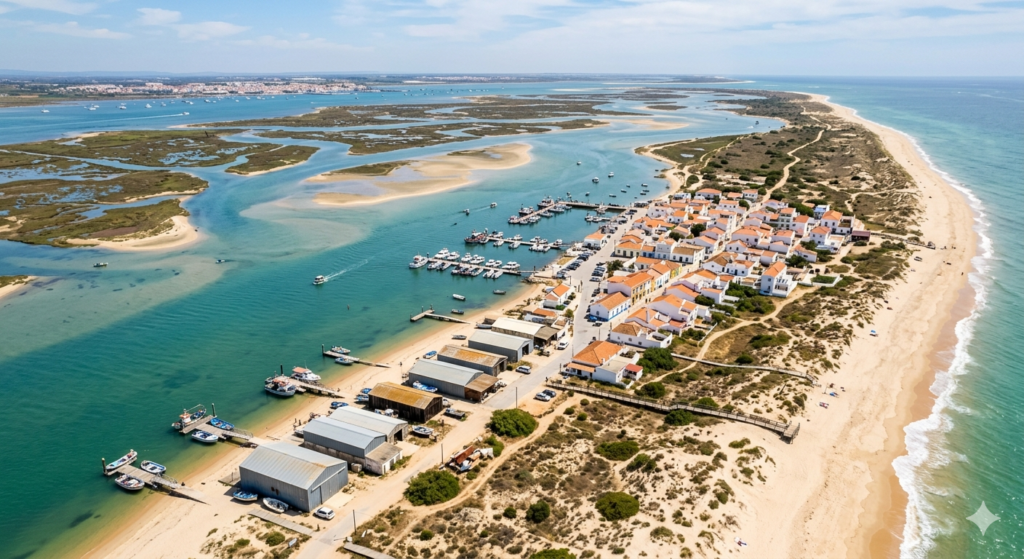
Moving to the western Algarve, near the historic towns of Lagos and Portimão, lies the Ria de Alvor lagoon. This is home to one of the most technologically advanced and famous single producers in the region: Perolas de Alvor at Vale da Lama.
- The Terroir: The Alvor estuary offers an exceptionally stable environment with an incredible abundance of natural food for the oysters.
- The “Happy Oyster” Technique: The innovative teams here utilize French-inspired seed stocks (often from Arcachon) but finish them with a specialized rolling and shaking technique. By constantly rotating the mesh bags in the water during the final growth phase, the outer edges of the shell gently break. The oyster responds by repairing its shell, making it deeper, rounder, and much stronger.
- Flavor Profile: Locally referred to as “bonbons” (candies), these western Algarve oysters are compact, remarkably round, and feature an incredibly thick, meaty texture with a pronounced sweet, almost nutty aftertaste that cuts through the oceanic saltiness.
3. Fuzeta & Olhão Estuaries (Eastern Ria Formosa)
Further east, the waters surrounding the maritime towns of Olhão and Fuzeta host specialized family-owned aquaculture plots that have operated for generations.
- The Terroir: This area benefits from deep, narrow tidal channels where the water movement is exceptionally fast.
- Cultivation Method: A mix of classic iron tables and modern long-line suspension systems that allow oysters to float freely with the currents, maximizing their feeding time.
- Flavor Profile: Exceptionally clean and herbaceous. Because of the unique marshland flora surrounding Fuzeta, these oysters absorb subtle mineral undertones, making them a favorite for purists who prefer to eat them raw with nothing more than a drop of local lemon juice.
The Modern Myth: Can You Eat Algarve Oysters in Summer?
You may have heard the old foodie rule: “Only eat oysters in months containing the letter ‘R’ (September through April).”
While this was true decades ago for wild oysters, modern cultivation in the Algarve has rendered this rule completely obsolete. Today’s premier Algarve farms utilize triploid oysters. Because these oysters do not expend energy on reproduction during the warm summer months of May to August, they never become thin, milky, or bland.
The Reality: Algarve oysters remain consistently plump, firm, crisp, and safe to enjoy 365 days a year.
From Tide to Table: What to Expect From Us
As a dedicated breeder and supplier, our mission is to deliver the absolute peak of the Algarve’s maritime harvest directly to your kitchen, restaurant, or wholesale business. By working closely with the top biological micro-climates of both the eastern marshes and western estuaries, we ensure a sustainable, traceable, and premium product.
Whether you are looking for the sharp, oceanic bite of a Culatra tide-swept oyster or the deep-cupped, sweet meat of an Alvor delicacy, our Algarve oysters represent the very best of Portugal’s rich marine heritage.
Contact our team today to learn more about our current harvest schedules, wholesale opportunities, and direct-to-venue delivery options.